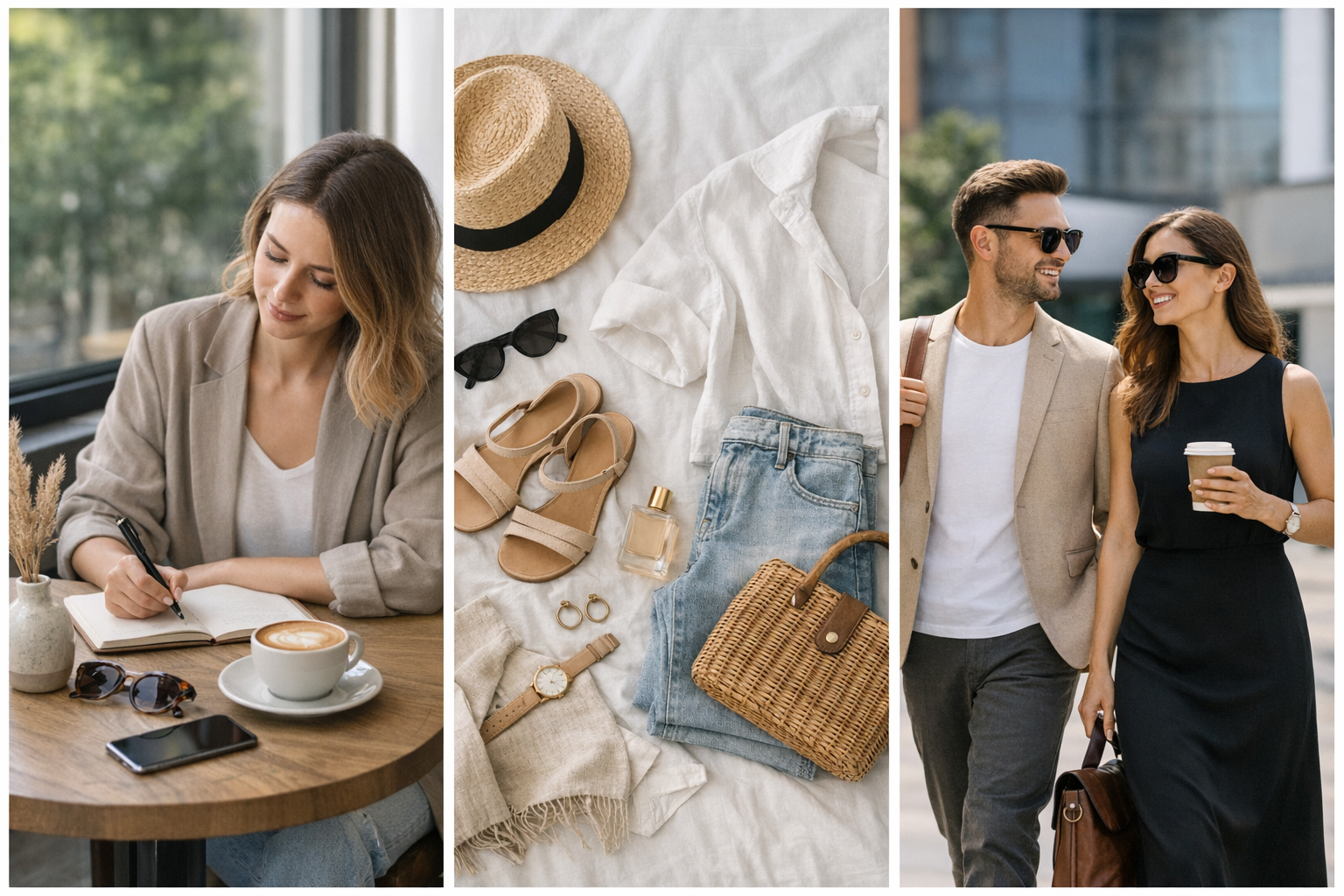


Looking good in your everyday outfits does not require expensive clothes, a huge wardrobe, or a professional stylist. In reality, most well-dressed people follow a few simple habits that make their outfits look polished and intentional.
Across the United States, fashion has become more practical and personal. A recent retail trend report showed that many shoppers now focus on versatile clothing pieces and smart styling rather than constantly buying new clothes. This shift means people want outfits that look good, feel comfortable, and work in everyday life.
The good news is that small changes can make a big difference. Something as simple as choosing better-fitting clothes, coordinating colors properly, or paying attention to footwear can instantly upgrade your look.
In this guide, we will walk through 12 everyday fashion tips that can help improve your outfits without making your routine complicated. These ideas are easy to follow and work for people of different ages, styles, and budgets.
1. Focus on Proper Fit First
One of the biggest style mistakes people make is wearing clothes that do not fit properly.
Clothes that are too tight can feel uncomfortable and restrict movement. Clothes that are too loose can make your outfit look messy or oversized in the wrong way.
The best outfits usually come down to balanced proportions.
For example:
- A fitted shirt works well with relaxed pants
- Slim jeans pair well with slightly loose jackets
- Structured blazers improve casual outfits instantly
In the United States, tailoring services are widely used for this reason. Even simple adjustments like shortening sleeves or hemming pants can make affordable clothing look far more refined.
A well-fitting outfit creates a clean silhouette, which naturally makes your overall style look more intentional.
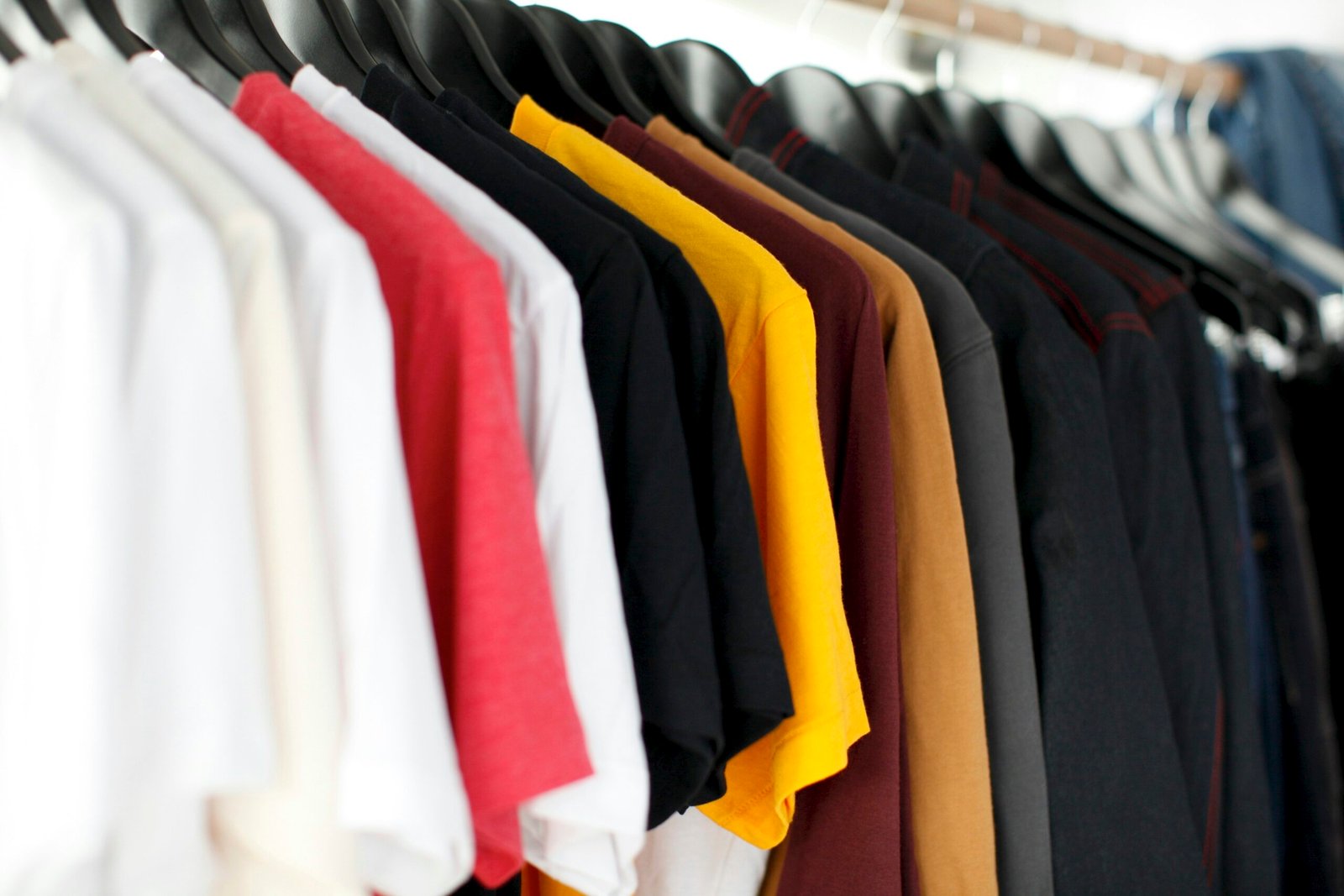
2. Build Outfits Around Neutral Colors
Neutral colors are the foundation of most stylish wardrobes.
These include shades such as:
- Black
- White
- Gray
- Navy
- Beige
- Olive
Neutral tones work well because they are easy to combine with almost anything. Many fashion stylists recommend building everyday outfits using two neutral colors and one accent color.
For example:
- Black jeans + white shirt + tan jacket
- Navy trousers + gray sweater + white sneakers
- Beige chinos + olive jacket + black boots
This simple color balance makes outfits look coordinated without feeling too bold.
Neutral colors are also practical for everyday wear because they stay fashionable year after year.
3. Pay Attention to Your Shoes
Shoes can completely change the impression of an outfit.
Many people spend time choosing clothes but forget that footwear often becomes the most noticeable part of an outfit.
For example:
- Clean white sneakers make casual outfits look modern
- Leather boots add structure to simple outfits
- Loafers give a relaxed but polished appearance
In the United States, sneakers have become one of the most popular everyday footwear choices because they combine comfort with style.
The key rule is simple: keep your shoes clean and in good condition. Even a great outfit can look unfinished if the shoes appear worn out.
4. Keep Your Clothes Clean and Wrinkle-Free
This may sound obvious, but it is one of the easiest ways to improve your appearance.
Wrinkled clothing can make an otherwise good outfit look careless.
Simple habits help avoid this problem:
- Use a clothing steamer or iron
- Fold clothes properly after washing
- Hang shirts and jackets on quality hangers
In professional environments across the US and UK, neat clothing is still one of the strongest indicators of personal presentation.
When your clothes are clean and wrinkle-free, your entire outfit instantly looks more polished.
5. Use Layers to Add Style
Layering is one of the easiest ways to make everyday outfits look more interesting.
Instead of wearing just a shirt and pants, try adding another piece such as:
- A light jacket
- A cardigan
- A denim jacket
- A casual blazer
Layering adds depth and makes outfits look more thoughtfully styled.
For example:
A basic outfit like jeans and a T-shirt can become more stylish by adding a lightweight jacket or overshirt.
Layering is also practical because it allows you to adjust your clothing throughout the day depending on temperature.
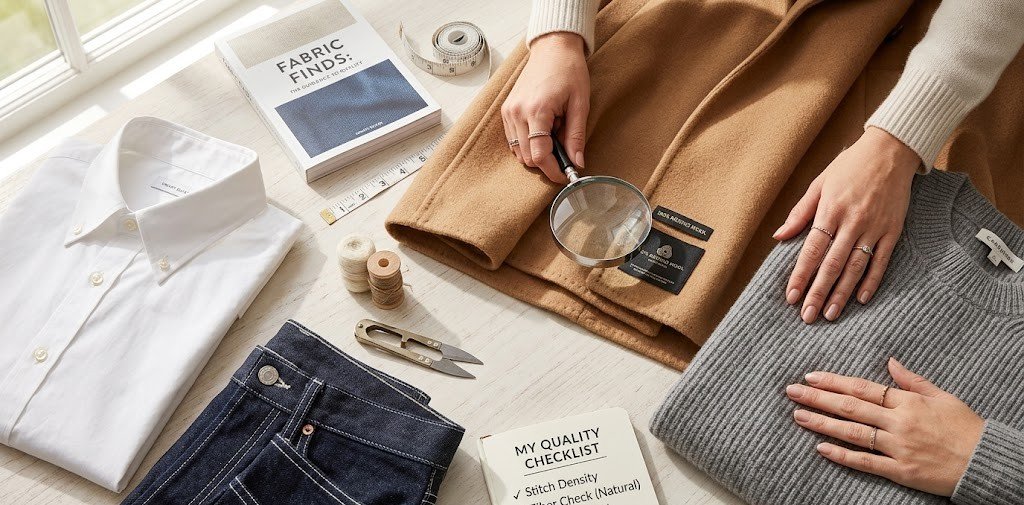
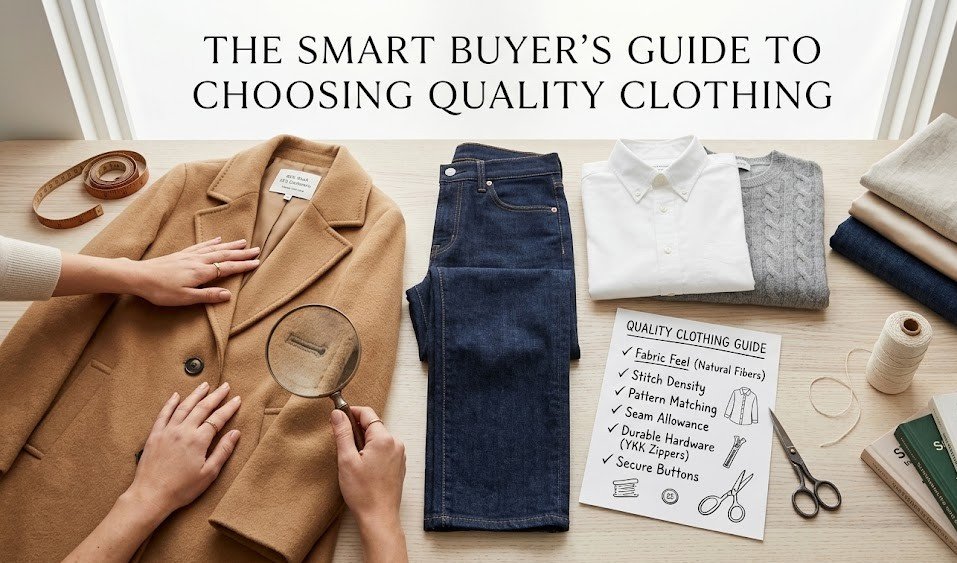
6. Choose Quality Basics
Your wardrobe does not need to be large. It just needs the right essentials.
Quality basics form the foundation of most everyday outfits.
These items often include:
- Plain T-shirts
- Well-fitting jeans
- Neutral sweaters
- Casual jackets
- Comfortable sneakers
When these core pieces are well-made, they work together easily and create multiple outfit combinations.
Many American shoppers now focus on fewer but better clothing items instead of constantly buying new trends.
Quality basics usually last longer and maintain their shape after many washes.
7. Keep Accessories Simple
Accessories should enhance an outfit, not overwhelm it.
Small details can improve your appearance without making the outfit look complicated.
Popular everyday accessories include:
- Watches
- Sunglasses
- Minimal jewelry
- Simple belts
For example, a classic watch can make a casual outfit feel slightly more refined.
The key is balance. One or two accessories are usually enough for most everyday outfits.
8. Maintain a Consistent Personal Style
Style becomes stronger when it feels consistent.
Instead of constantly switching between completely different looks, many well-dressed people develop a clear personal style.
For example:
Some people prefer a casual street style look. Others prefer a clean minimalist wardrobe.
Once you understand the types of clothes that suit you best, it becomes easier to create outfits quickly.
Consistency also helps your wardrobe pieces work together better.
9. Learn Basic Color Coordination
Color coordination is one of the simplest ways to improve an outfit.
A helpful rule is the three-color guideline. Most outfits look balanced when they use no more than three main colors.
Example combinations:
- Black, white, and gray
- Navy, beige, and white
- Olive, brown, and cream
These combinations feel natural and visually balanced.
If you want to experiment, you can add one brighter color through accessories or jackets.
10. Pay Attention to Grooming
Clothing alone does not define style. Personal grooming plays a big role as well.
Simple grooming habits include:
- Maintaining neat hair
- Keeping facial hair trimmed
- Wearing clean shoes and clothes
- Taking care of skin
These details may seem small, but they strongly influence how people perceive your overall style.
When grooming is consistent, even simple outfits can look sharp.
11. Avoid Overloading Your Outfit
Sometimes the best style choice is simplicity.
Wearing too many patterns, colors, or statement pieces at once can make outfits look busy.
Many fashion experts recommend following a simple rule:
If one item is bold or eye-catching, keep the rest of the outfit simple.
For example:
If you wear patterned pants, choose a plain shirt.
If you wear a bright jacket, pair it with neutral clothing.
This approach keeps the outfit balanced.
12. Wear Clothes With Confidence
Confidence is often the final step that brings an outfit together.
When people feel comfortable in their clothing, they naturally carry themselves differently.
Good posture, relaxed movement, and comfort all contribute to how an outfit is perceived.
Many style experts say that confidence often matters more than the clothes themselves.
The goal of fashion is not perfection. It is feeling comfortable and expressing your personality.
The Bigger Picture: Why Everyday Style Matters
Fashion today is less about strict rules and more about practical self-expression.
Across the United States and other global fashion markets, people are choosing clothing that balances comfort, versatility, and personal taste.
Everyday style has become more important because clothing now reflects lifestyle choices. People want outfits that work for daily life, remote work, travel, and social activities.
The best approach is to focus on small improvements rather than dramatic changes.
By applying simple habits like better fit, cleaner outfits, and balanced colors, anyone can improve their everyday style.
Final Thoughts
Looking better in your daily outfits does not require a huge wardrobe or expensive brands.
Often, the difference comes from simple adjustments such as choosing the right fit, coordinating colors, and maintaining clean, well-kept clothing.
These small improvements can make your outfits look more intentional and stylish without adding extra effort to your routine.
Fashion should feel practical and enjoyable. When you focus on simple style habits, getting dressed each day becomes easier and more confident.