
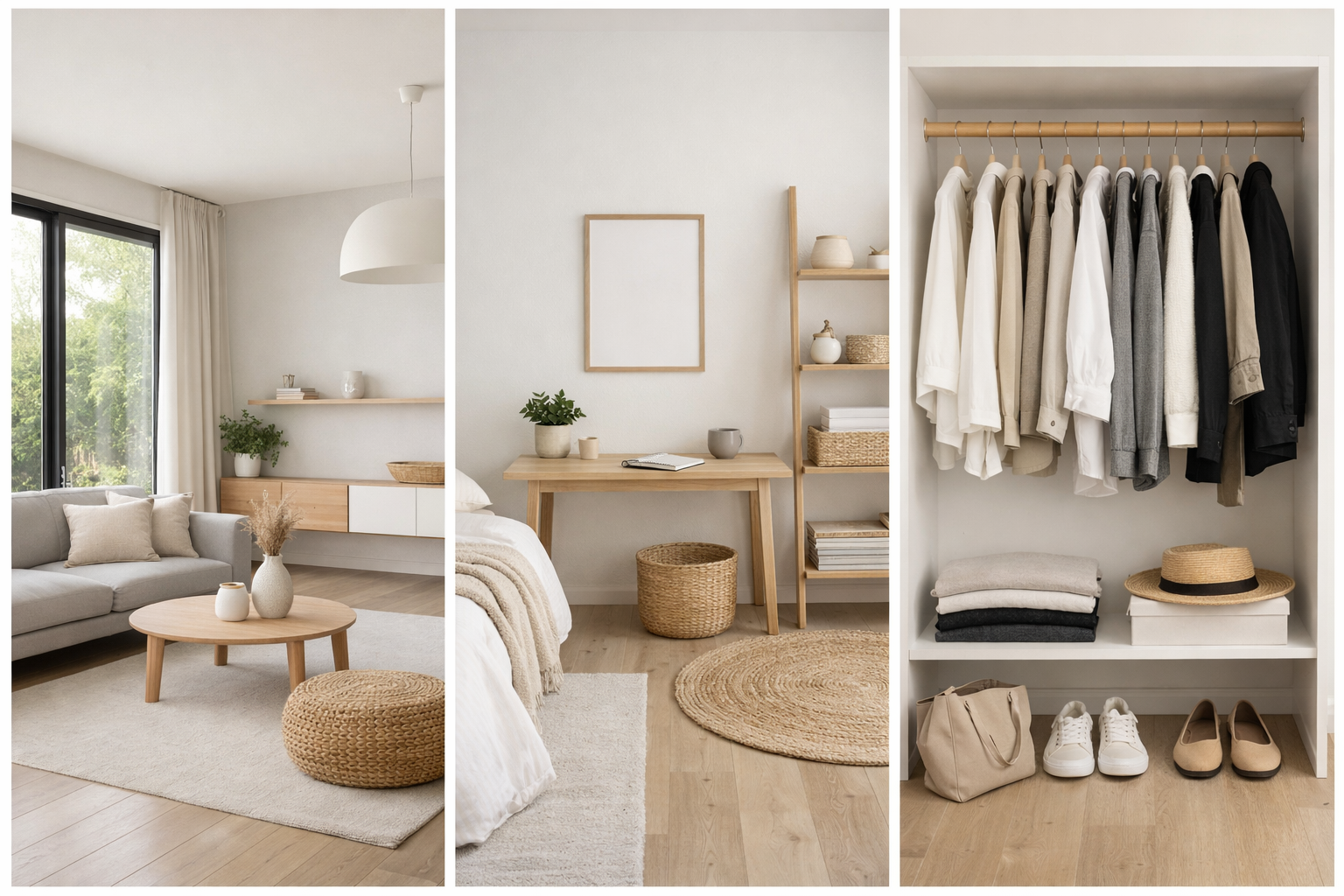
The Rise of Minimal Living
Over the past decade, the minimalist lifestyle has evolved from a niche trend into a global movement reshaping how people live, shop, and define success. Across the United States and around the world, many individuals are beginning to question the long-standing belief that happiness comes from owning more things.
Instead, people are discovering something powerful a simpler lifestyle can create more clarity, freedom, and fulfillment.
At its core, minimal living is about intentional choices. It encourages people to remove unnecessary possessions, reduce clutter, and focus on what truly adds value to their lives. Rather than chasing material goods, many individuals now prioritize experiences, relationships, and personal well-being.
This shift connects closely with other modern lifestyle trends such as sustainable living, mindful consumption, intentional lifestyle design, and simple living. Together, these ideas reflect a broader cultural change where people value mental wellness, financial stability, environmental responsibility, and work-life balance.
Data supports this growing shift. According to Statista, more than 70% of consumers say they are trying to simplify their lives and reduce unnecessary spending. Research from the Pew Research Center also shows that Millennials and Gen Z increasingly prioritize experiences, wellness, and financial security rather than accumulating possessions.
The digital age has accelerated this change. As remote work and digital lifestyles become more common, people realize they do not need large homes filled with belongings to feel successful. Instead, many are choosing calm, organized environments that support focus and well-being.
Whether someone lives in a busy American city or a quiet town, the appeal of minimal living feels universal. It is not about deprivation it is about making room for what truly matters.
What Minimal Living Really Means
The minimalist lifestyle is often misunderstood. Some assume it means living in an empty house with only a few possessions. In reality, this lifestyle is far more flexible and personal.
At its heart, minimal living means intentionally choosing what adds value to your life and letting go of what does not.
This philosophy goes beyond physical possessions. It can also apply to:
- Time management
- Relationships
- Work habits
- Digital environments
- Daily commitments
Someone practicing minimal living does not have to give up fashion, technology, hobbies, or travel. Instead, they approach these areas more intentionally.
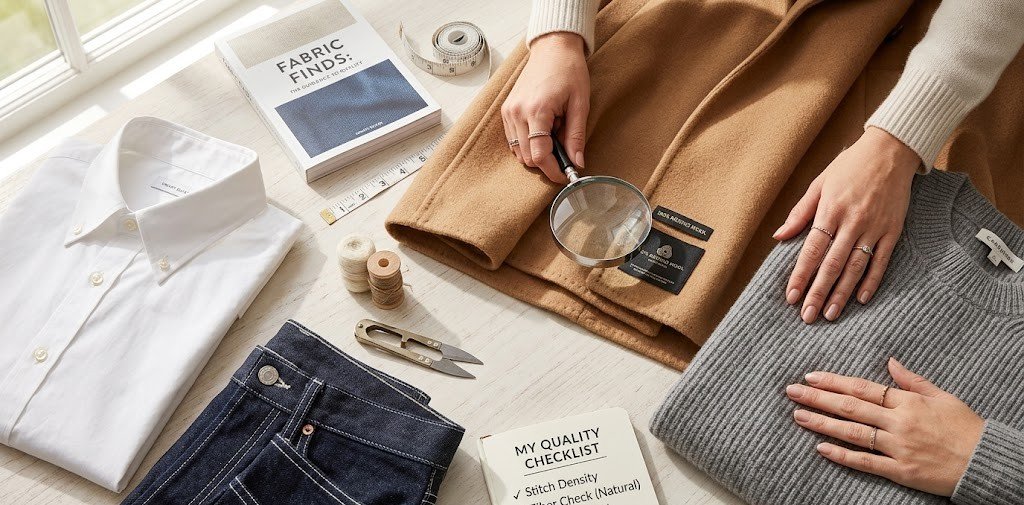
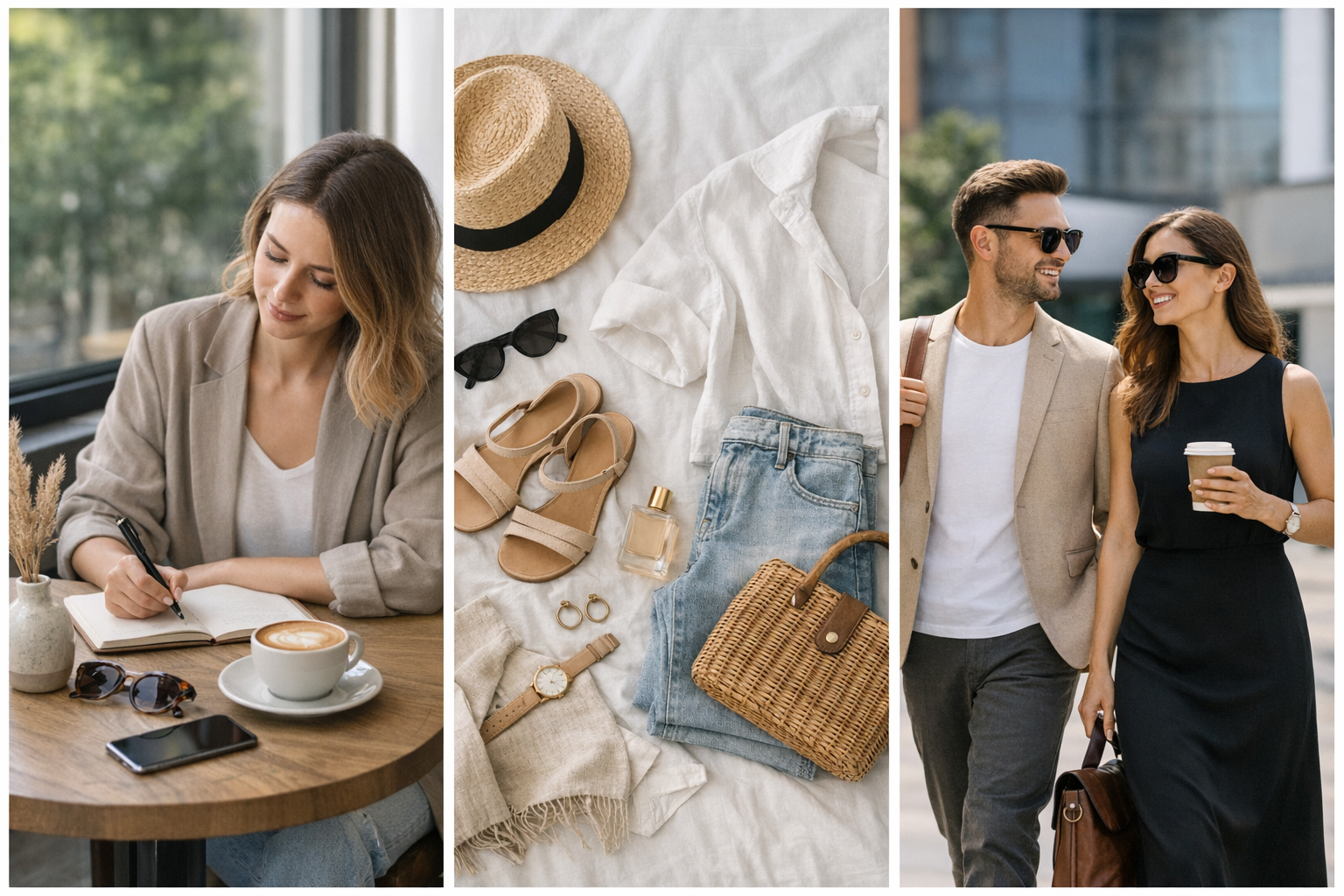
For example, many people create a capsule wardrobe with versatile clothing pieces that mix and match easily. This reduces clutter while still allowing personal style and functionality.
This lifestyle also influences daily routines. Many individuals simplify their schedules, reduce unnecessary commitments, and prioritize activities that align with their values.
Another important part of minimal living is mindful consumption. Before buying something new, people often ask:
- Do I really need this?
- Will it improve my life long term?
- Does it align with my values?
These simple questions help avoid impulsive purchases and encourage thoughtful decisions.
In the United States, minimal living has inspired lifestyle trends such as tiny homes, decluttering methods, sustainable fashion, and digital detox practices. While these trends differ in appearance, they share one principle: less distraction leads to more intentional living.
Ultimately, minimal living is not about restriction it is about freedom.
Why Minimal Living Is Becoming Popular
The growing popularity of minimal living reflects several cultural and economic changes in modern society.
Many people today feel overwhelmed by fast-paced lifestyles, financial pressure, and constant consumer messaging. Minimal living offers a refreshing alternative focused on balance rather than excess.
One major factor behind this shift is financial awareness. Rising housing costs, student loans, and everyday expenses are encouraging people to rethink spending habits. Minimal living promotes mindful spending and reduces unnecessary purchases.
Mental well-being also plays an important role. Cluttered environments often contribute to stress and mental fatigue. Research published in the Personality and Social Psychology Bulletin suggests that people living in cluttered homes report higher stress levels.
By creating calm and organized spaces, minimal living supports relaxation, focus, and emotional balance.
Technology has also influenced this lifestyle shift. As remote work and digital routines increase, people recognize the value of maintaining organized and distraction-free environments.
Environmental awareness is another driving force. Many individuals are concerned about the impact of overconsumption. Minimal living encourages habits such as:
- Reducing waste
- Buying fewer products
- Supporting sustainable brands
- Reusing and recycling items
Social media has amplified interest in minimal living, with platforms like Instagram, Pinterest, and YouTube showcasing minimalist homes, capsule wardrobes, and decluttering routines.
For many people, this lifestyle represents a conscious step away from constant consumerism and toward intentional, meaningful living.
The Psychology Behind the Minimal Living Movement
The popularity of simple living and minimalist habits is closely connected to human psychology.
Modern environments expose people to constant choices, notifications, and distractions. Minimal living helps reduce this overload by simplifying daily life.
One important concept related to this lifestyle is decision fatigue. Every day people make countless small decisions from choosing clothes to planning meals. Over time, these choices drain mental energy.
Minimal living reduces this fatigue by simplifying routines and creating organized environments. For example, a capsule wardrobe eliminates daily clothing decisions, while simplified schedules reduce unnecessary commitments.
Another psychological benefit is a stronger sense of control. When people declutter their homes and simplify routines, they often feel more in control of their lives.
This lifestyle also encourages individuals to define themselves by values and experiences rather than possessions, which can lead to greater self-awareness and personal growth.
Research in environmental psychology also shows that organized spaces can improve creativity, calmness, and productivity.
Minimal Living and Mental Health Benefits
One reason the minimalist lifestyle continues to gain popularity is its connection to improved mental health.
Modern life often includes crowded schedules, cluttered homes, and constant digital distractions. Minimal living helps create both physical and mental space.
Many individuals report reduced anxiety and improved focus after simplifying their environments. When physical clutter disappears, mental clutter often follows.
This lifestyle also encourages healthy habits such as:
- Journaling
- Meditation
- Slow morning routines
- Mindful planning
These habits support emotional well-being and help reduce stress.
Owning fewer possessions also saves time. Less time spent cleaning and organizing allows people to focus on relationships, hobbies, and self-care.
Research from the UCLA Center on Everyday Lives of Families shows that cluttered homes can increase cortisol levels the body’s primary stress hormone. Minimal living directly addresses this by encouraging calm and organized spaces.
Financial Freedom Through Minimal Living
Another advantage of minimal living is improved financial health.
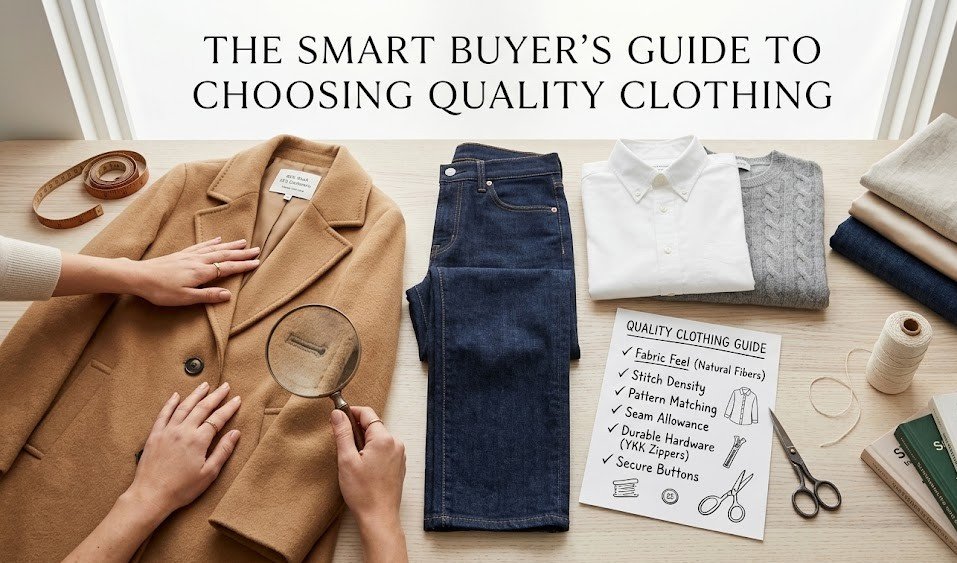
When people buy fewer but higher-quality items, their spending habits naturally change. Instead of impulsive purchases, they focus on long-term value.
This approach supports financial habits such as:
- Budgeting
- Saving money
- Reducing debt
- Conscious spending
- Investing in experiences
Many individuals practicing minimal living find they can achieve financial goals faster because they avoid unnecessary expenses.
It also prevents lifestyle inflation, where spending increases as income grows. Even as earnings improve, many minimalists maintain simple lifestyles that support long-term financial stability.
Environmental Benefits of Minimal Living
A minimalist approach to living also supports environmental sustainability.
Industries such as fashion, electronics, and consumer goods significantly impact global pollution and resource consumption.
By embracing minimal living, individuals often adopt eco-friendly habits like:
- Buying fewer clothing items
- Choosing durable products
- Supporting ethical brands
- Recycling and donating unused items
- Reducing packaging waste
Mindful consumption is a core principle of minimal living, making it naturally aligned with sustainability goals.
Even small lifestyle changes can reduce environmental impact over time.
Practical Steps to Start Minimal Living
Starting a minimalist lifestyle does not require drastic changes. Small steps often create the most lasting results.
Here are simple ways to begin:
- Declutter one room at a time
- Donate or sell unused items
- Build a capsule wardrobe
- Reduce digital distractions
- Practice mindful purchasing
These habits gradually build the foundation for a more intentional lifestyle.
Minimal living is not about perfection. It is about making consistent choices that support clarity and balance.
Final Thoughts
Minimal living represents more than a passing trend it reflects a deeper shift in modern values.
Across the United States and around the world, people are realizing that happiness does not come from accumulating possessions. Instead, it comes from living intentionally and focusing on meaningful experiences.
By reducing clutter, simplifying routines, and prioritizing what truly matters, minimal living offers a path toward clarity, freedom, and personal growth.
As modern life continues to evolve, the principles of minimal living will likely remain relevant helping people create lives that feel simpler, calmer, and more meaningful.