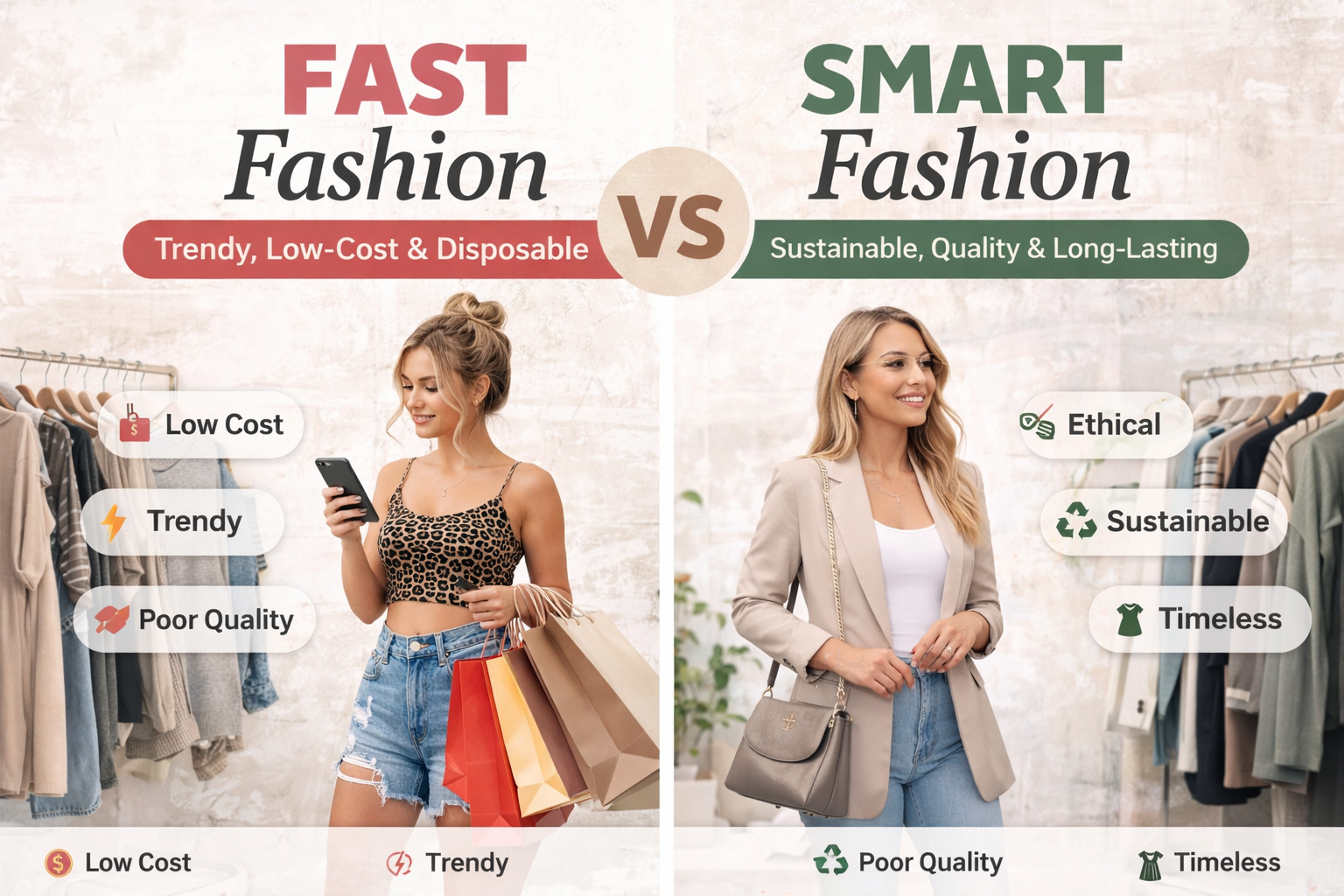
In today’s world, it’s easy to get caught up in the excitement of constantly changing clothing trends. The fast fashion industry has made it simple for anyone to buy trendy outfits at low prices. But the convenience and affordability come at a cost. From environmental impact to poor garment quality, fast fashion has its pitfalls. On the other hand, making smart fashion choices focuses on quality, sustainability, and long-term wardrobe value. Understanding the real difference between fast fashion and smart fashion can transform how you shop, dress, and perceive your style.
This guide will explore everything you need to know about fast fashion vs smart fashion, the benefits of ethical clothing, sustainable trends, capsule wardrobes, and practical tips to make better fashion decisions.
What is Fast Fashion?
Fast fashion refers to clothing that is designed, produced, and sold quickly to keep up with the latest trends. Brands like Zara, H&M, and Forever 21 popularized the concept by offering cheap clothing in large volumes. The main characteristics of fast fashion include:
- Extremely low production costs
- High turnover of styles (new arrivals every week)
- Trend-focused clothing rather than timeless pieces
- Short lifespan of garments
The fast fashion industry thrives on encouraging overconsumption. Consumers often buy multiple inexpensive items they only wear a few times. While this seems convenient, it raises issues for both style and sustainability.
Environmental and Ethical Impact of Fast Fashion
Fast fashion is linked to significant environmental problems. The clothing industry is one of the largest contributors to pollution worldwide. Some key impacts include:
- High water consumption in textile production
- Chemical pollution from dyes
- Massive textile waste in landfills
- Carbon emissions from global shipping
Moreover, fast fashion is often associated with unethical labor practices. Workers in developing countries may face unsafe working conditions and low wages, highlighting the difference between cheap clothing and ethically produced garments.
For more insights, check out this report on Fashion Revolution (DoFollow).
What Are Smart Fashion Choices?
Smart fashion emphasizes quality, longevity, and sustainability. It encourages consumers to buy fewer but better-made clothing items. The focus is not just on trends but on clothing that will remain stylish and functional for years.
Smart fashion choices involve:
- Investing in durable, high-quality garments
- Prioritizing ethical brands
- Building versatile wardrobes
- Considering environmental impact in shopping decisions
Unlike fast fashion, smart fashion values timeless style over impulsive trends. It also helps consumers save money in the long term because well-made clothing lasts longer.
The Rise of the Slow Fashion Movement
The slow fashion movement is a response to the drawbacks of fast fashion. It promotes thoughtful, ethical, and sustainable fashion practices. Key principles of slow fashion include:
- Quality over quantity
- Ethical labor practices
- Sustainable materials
- Reducing fashion waste
Slow fashion encourages consumers to rethink how they purchase, use, and maintain their clothing. By supporting brands committed to ethical production, you can make smarter fashion choices while contributing to a healthier planet.
Ethical Fashion Brands: What to Look For
When shifting from fast fashion to smart fashion, knowing which brands prioritize ethics is essential. Some tips to identify ethical fashion brands:
- Transparent supply chains
- Fair wages and safe working conditions
- Environmentally-friendly production processes
- Durable and timeless designs
Brands like Patagonia, Everlane, and Reformation are often cited as examples of ethical clothing companies. Supporting ethical brands aligns with the principles of smart fashion choices and ensures your wardrobe is both stylish and responsible.
Sustainable Clothing Trends
Sustainability in fashion has become a major trend, especially in the United States. Some of the top sustainable clothing trends include:
- Organic cotton and hemp fabrics
- Recycled materials and upcycled clothing
- Minimalist and timeless designs
- Digital fashion and renting services
These trends align with smart fashion choices by reducing waste and encouraging thoughtful consumption. Consumers are becoming more aware of the environmental impact of their clothing, shifting away from disposable fast fashion.
Capsule Wardrobe Fashion: A Smart Fashion Strategy
One of the most effective ways to adopt smart fashion choices is by creating a capsule wardrobe. This concept focuses on owning fewer but versatile pieces that mix and match effortlessly.
Benefits of Capsule Wardrobes
- Reduces decision fatigue when dressing
- Encourages quality over quantity
- Saves money by avoiding unnecessary purchases
- Promotes sustainable fashion practices
A capsule wardrobe typically includes:
- Neutral basics (white shirts, jeans, black trousers)
- Classic shoes and accessories
- Timeless outerwear (blazers, trench coats)
Check out our Simple Style Upgrades guide to learn how small adjustments can elevate capsule wardrobe outfits.
Fashion Shopping Tips for Smart Consumers
Making smarter fashion choices doesn’t have to be complicated. Here are some fashion shopping tips to avoid fast fashion pitfalls:
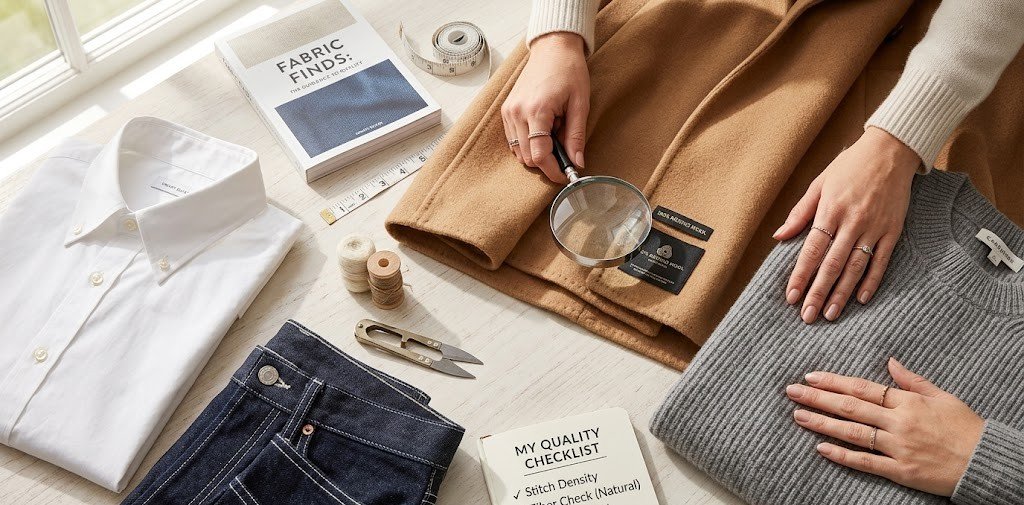
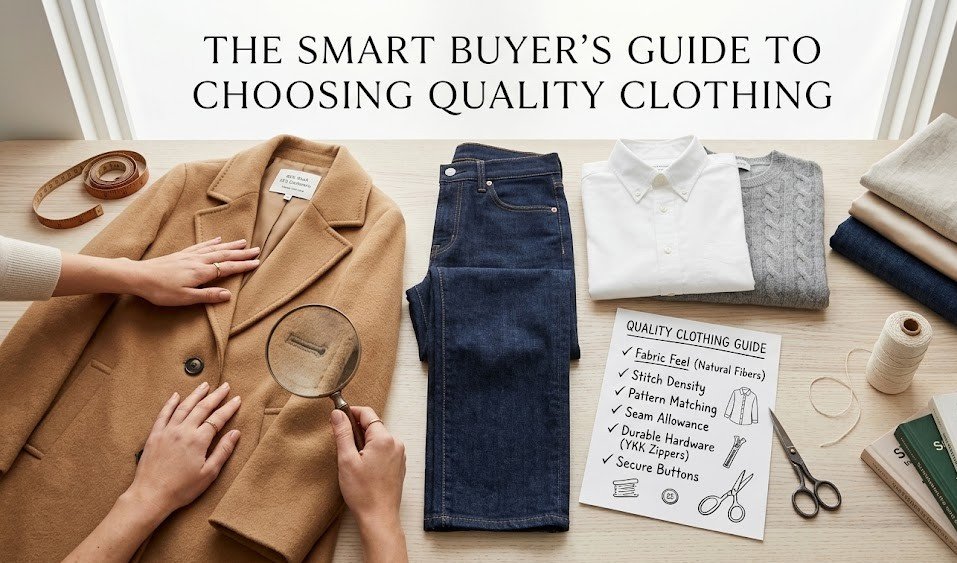
- Evaluate quality over price – Look at stitching, fabric, and durability.
- Plan purchases – Avoid impulse buying.
- Check brand ethics – Research supply chains and labor practices.
- Prioritize versatility – Choose items that can be styled multiple ways.
- Care for your clothes – Proper washing and storage extend lifespan.
These tips make a big difference in shifting from fast fashion habits to smart fashion choices.
Minimalist Wardrobe Approach
A minimalist wardrobe is closely tied to smart fashion. By keeping only high-quality, essential items, you reduce clutter and emphasize longevity.
Key elements include:
- Neutral color palette
- Multi-use garments
- Minimal but meaningful accessories
- Avoiding trendy disposable items
Minimalist wardrobes reduce waste, save money, and align with the slow fashion movement.
Quality Clothing vs Cheap Clothing
Understanding the difference between quality clothing vs cheap clothing is fundamental in choosing smart fashion.
- Cheap clothing: Low-cost materials, poor stitching, short lifespan
- Quality clothing: Durable fabrics, attention to detail, timeless design
By investing in quality items, you can build a wardrobe that lasts years and minimizes environmental impact.
Fashion Sustainability Guide
For anyone transitioning from fast fashion, a fashion sustainability guide can help. Here’s a simple framework:
- Audit your wardrobe – Keep only what you truly wear.
- Shop consciously – Choose ethical and durable brands.
- Care for garments – Wash responsibly, repair damaged clothing.
- Resell or donate – Avoid landfill disposal.
- Support sustainable trends – Organic fabrics, recycled materials, eco-friendly production.
Following this approach ensures your fashion choices reflect your values while maintaining a stylish look.
Fast Fashion vs Smart Fashion: Key Takeaways
- Fast fashion prioritizes trendy, low-cost clothing with high environmental and ethical costs.
- Smart fashion emphasizes quality, sustainability, and long-term value.
- Ethical fashion brands and sustainable trends help consumers make smarter choices.
- Capsule wardrobes and minimalist approaches reduce waste and simplify styling.
Making the switch from fast fashion to smart fashion may require a mindset shift, but the rewards include a polished style, better environmental impact, and cost savings over time.