


Most of us have bought something we didn’t actually need. Maybe it looked great online. Maybe it was on sale. Maybe it felt like a good deal at the time.
Then a few weeks later, the item sits unused in a closet or drawer.
Shopping has become easier than ever. With a phone and a few taps, you can buy almost anything. Convenience is wonderful, but it also makes it easy to spend money without thinking about it.
That is exactly why having a Guide to Shopping smarter matters.
Shopping smarter doesn’t mean avoiding purchases. It simply means making better decisions so your money goes toward things you actually value and use.
This guide walks through practical habits real shoppers use every day. No complicated strategies. Just simple, thoughtful ways to shop with more confidence in 2026.
Why Smart Shopping Matters More Than Ever
Prices have changed. Shopping habits have changed too.
Online marketplaces, fast fashion, and one-click checkout make it easier than ever to buy things quickly. But convenience sometimes hides important details like product quality, durability, or true value.
A thoughtful Guide to Shopping helps you pause long enough to ask a few smart questions before buying something.
Questions like:
- Do I actually need this?
- Is the quality good enough to last?
- Am I buying this because it’s useful or just because it’s on sale?
These questions sound simple, but they can completely change the way you shop.
1. Know the Difference Between Price and Value
A low price does not always mean a good deal.
Many experienced shoppers follow a simple rule highlighted in every good Guide to Shopping: focus on value instead of price.
Value considers:
- durability
- usefulness
- long-term cost
- frequency of use
For example, a $20 jacket that lasts one season may cost more in the long run than an $80 jacket you wear for five years.
Smart shoppers look beyond the price tag and think about how long the product will actually serve them.
2. Always Research Before Buying
One of the easiest ways to shop smarter is simply doing a little research.
A reliable Guide to Shopping encourages buyers to spend a few minutes learning about the product before making a purchase.
Check things like:
- product reviews
- brand reputation
- material quality
- warranty information
Even five minutes of research can prevent disappointing purchases.
3. Read Real Customer Reviews
Reviews reveal what product descriptions sometimes hide.
When following a Guide to Shopping, many experienced buyers read several reviews before making a decision.
Look for patterns in the feedback.
If many customers mention the same issue, it’s probably real.
Pay attention to comments about:
- durability
- sizing accuracy
- customer service
- overall product satisfaction
Customer photos are especially helpful because they show the product outside marketing photos.
4. Avoid Impulse Purchases
Impulse buying is one of the biggest budget killers.
Every good Guide to Shopping suggests creating a small pause before buying something that wasn’t planned.
A simple 24-hour rule works surprisingly well.
If you still want the item the next day, it may actually be worth buying. If the excitement disappears overnight, you probably saved yourself money.
5. Compare Prices Before Checking Out
Prices can vary dramatically between retailers.
Smart shoppers following a Guide to Shopping often compare prices across multiple websites before completing a purchase.
This small habit can save significant money over time.
Tools like price comparison websites or simple Google searches make this step quick and easy.
6. Understand Product Materials
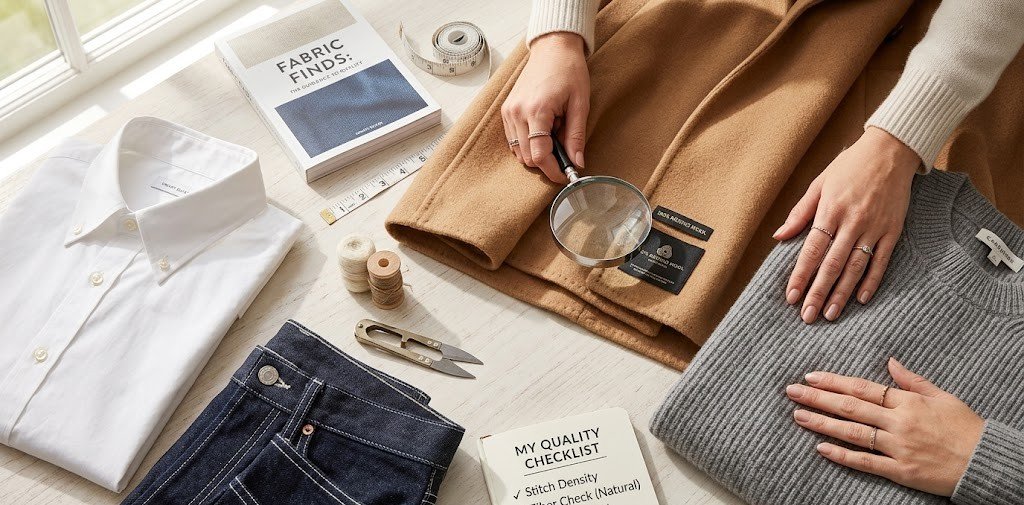
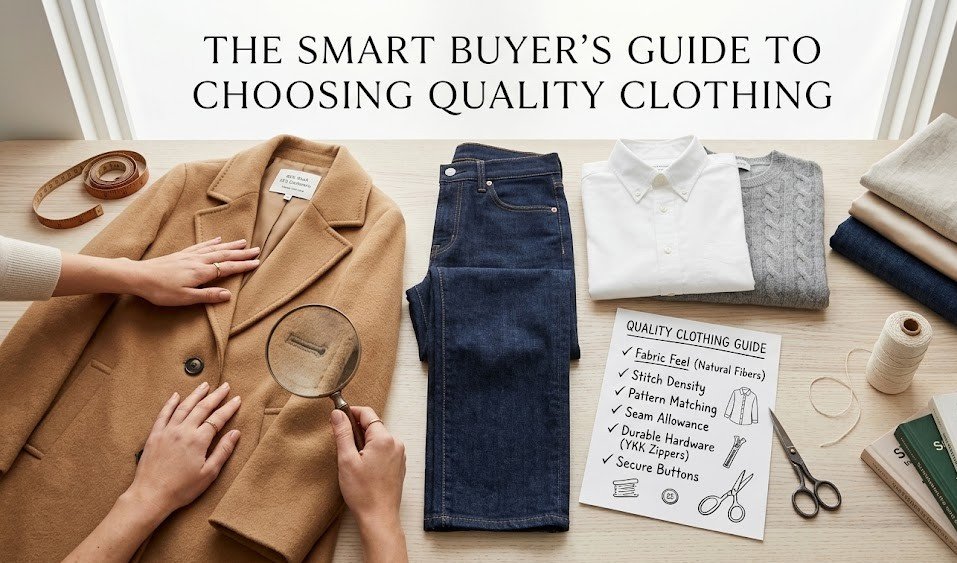
Materials often determine whether something lasts or falls apart quickly.
A thoughtful Guide to Shopping encourages paying attention to product materials before purchasing.
For example:
- solid wood furniture often lasts longer than particle board
- natural fabrics tend to breathe better than cheap synthetic blends
- stainless steel cookware is more durable than thin aluminum
Materials give important clues about long-term product quality.
7. Pay Attention to Return Policies
Even careful shoppers occasionally buy something that doesn’t work.
That’s why every practical Guide to Shopping recommends checking return policies before purchasing.
Look for clear information about:
- return windows
- refund methods
- restocking fees
- exchange options
Flexible return policies make shopping far less stressful.
8. Focus on Versatile Purchases
Versatility is one of the smartest ways to maximize value.
A good Guide to Shopping suggests choosing items that serve multiple purposes.
Examples include:
- clothing pieces that match multiple outfits
- kitchen tools that handle several cooking tasks
- electronics that combine multiple features
Versatile items reduce clutter and increase usefulness.
9. Shop With a Plan
Walking into a store or browsing online without a plan often leads to unnecessary purchases.
That’s why many Guide to Shopping strategies encourage creating a small list before shopping.
A list helps you stay focused and prevents distractions from flashy promotions.
Retailers are experts at encouraging impulse buying, so a plan keeps you in control.
10. Look for Quality Over Quantity
Buying fewer, better items is often the smarter strategy.
Many modern Guide to Shopping principles encourage investing in higher-quality products that last longer.
Instead of buying five cheap items, one durable product may serve you better.
Quality purchases often provide:
- longer lifespan
- better performance
- improved satisfaction
11. Understand Marketing Tricks
Retailers use clever techniques to encourage spending.
A thoughtful Guide to Shopping helps shoppers recognize these tactics.
Common examples include:
- limited-time sales
- countdown timers
- “only a few left” messages
These strategies create urgency, but they don’t always reflect real value.
Recognizing these tricks helps you stay focused on what you actually need.
12. Think Long Term
The smartest shoppers think beyond the moment of purchase.
A balanced Guide to Shopping encourages asking a simple question before buying anything.
Will this item still be useful a year from now?
Thinking long term often leads to more thoughtful choices.
Items that remain useful over time usually provide the best value.
How Shopping Smarter Improves Everyday Life
Shopping habits influence more than your budget.
When people follow a thoughtful Guide to Shopping, they often experience unexpected benefits.
They spend less time returning items. Their homes feel less cluttered. Their purchases feel more satisfying.
Instead of buying things quickly and forgetting about them, each purchase becomes more intentional.
Over time, this shift leads to a simpler and more satisfying relationship with shopping.
Simple Habits That Make a Big Difference
Many people think smarter shopping requires complicated budgeting systems.
It doesn’t.
A practical Guide to Shopping focuses on small habits anyone can develop.
These include:
- reading reviews
- checking materials
- comparing prices
- avoiding impulse buying
These habits take only a few extra minutes but can dramatically improve purchasing decisions.
Final Thoughts
Shopping will always be part of everyday life.
We buy clothing, household items, electronics, and countless other products throughout the year.
The goal of a thoughtful Guide to Shopping is not to stop buying things. It’s to make sure those purchases actually serve your needs.
When you slow down and think about quality, usefulness, and long-term value, shopping becomes far more satisfying.
Instead of accumulating random items, you build a collection of products that genuinely improve your daily life.
And that’s the real definition of shopping smarter.
FAQ
What does shopping smarter mean?
It means making thoughtful purchases based on value, quality, and usefulness rather than impulse or marketing.
How can I avoid impulse buying?
Use the 24-hour rule. Wait one day before purchasing something you didn’t plan to buy.
Why are reviews important when shopping?
Reviews reveal real experiences about product quality, durability, and performance.
Is buying expensive products always better?
Not always. The best purchases balance price, quality, and long-term usefulness.