

An oversized zip up hoodie looks like the easiest piece of clothing to buy, but it is surprisingly easy to get wrong. Some feel thick and cozy on day one, then lose their shape after two washes. Others look great in photos and arrive thin, with a zipper that snags the first morning you wear it.
This guide covers what actually matters before you spend your money. We will look at fabric, fit, zippers, stitching, styling, and care, so you can pick a hoodie that stays comfortable and looks good for a long time.
What Makes a Hoodie Oversized
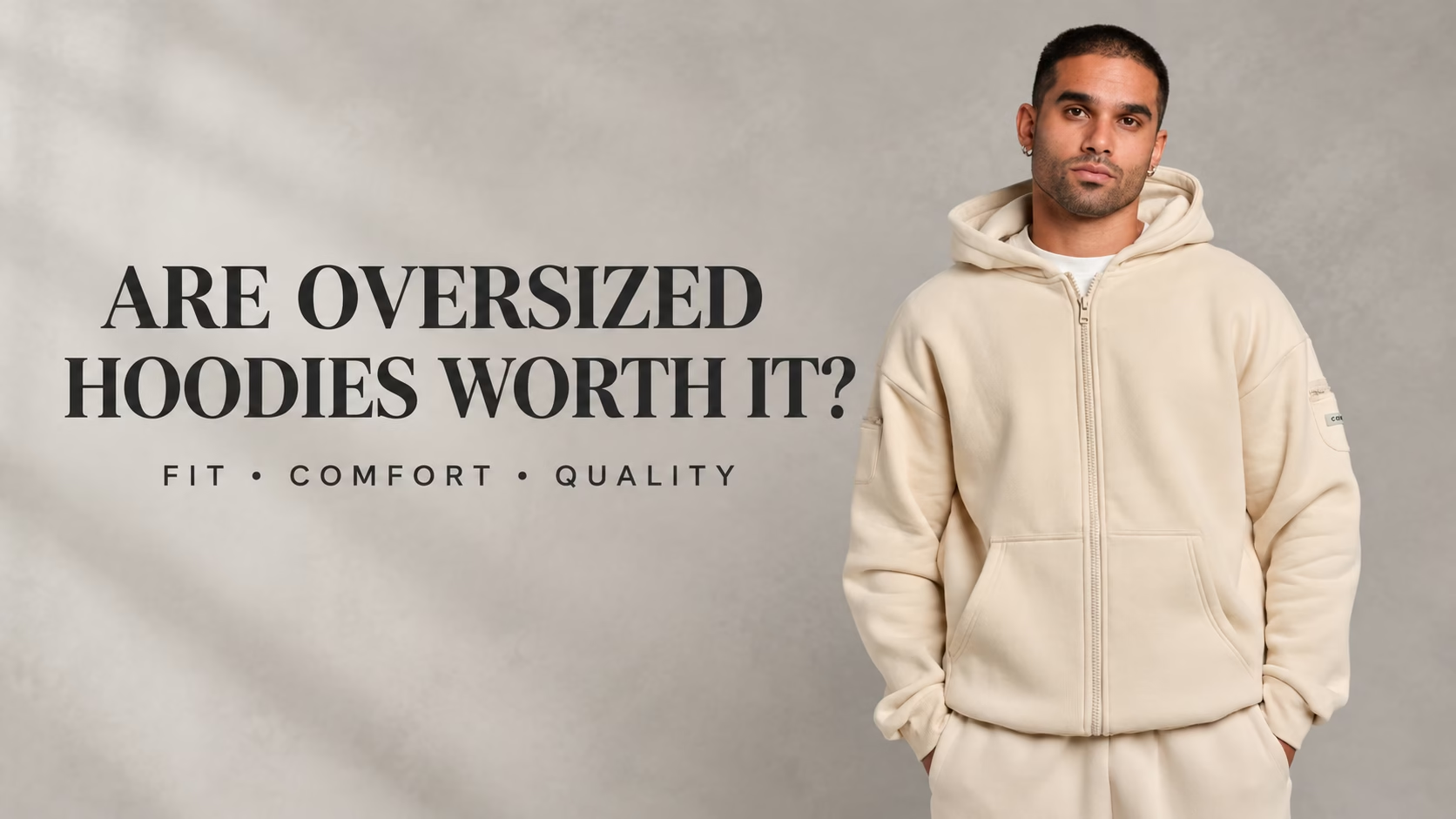
An oversized hoodie is cut larger than your body on purpose. You will usually see a wider chest, longer sleeves, a longer body, and shoulder seams that sit below your natural shoulder line. That dropped shoulder is what gives a baggy hoodie its relaxed look.
Oversized does not mean sloppy. A good relaxed fit hoodie still has shape and balance. The extra room should look planned, not like you borrowed something two sizes too big from a friend.
Fabric and Weight: The Part Most People Skip
Fabric decides how a hoodie feels, how warm it is, and how long it lasts. Most hoodies are made from cotton, fleece, or a blend of cotton and polyester.
Cotton
Pure cotton is soft and breathable, which makes it a good choice for mild weather and everyday wear. The downside is that cheap cotton can shrink and stretch out of shape. Look for combed or ring spun cotton, which feels smoother and holds up better.
Fleece
A fleece lined hoodie has a brushed inside that traps heat, so it is great for cold days. It can feel too warm indoors, so think about where you will wear it most. Fleece is also the cozy choice if you want that thick, soft feel.
Blends
A cotton and polyester blend, often around 80 percent cotton and 20 percent polyester, resists shrinking and wrinkles better than pure cotton. It also dries faster. The trade off is that it can feel slightly less breathable.
Why Weight Matters
Fabric weight is measured in GSM, which means grams per square meter. Lightweight hoodies sit around 250 GSM. A heavyweight hoodie usually starts near 350 GSM and can go past 450. For an oversized zip up hoodie, 350 to 400 GSM is a sweet spot. Heavier cloth drapes nicely and keeps its shape, while thin fabric looks limp when it is cut big.
How an Oversized Zip Up Hoodie Should Fit
Many people size up one or two sizes to get the baggy look. The problem is that every brand cuts differently, so always check the size chart. A simple trick is to measure a hoodie you already love, then compare its chest width, body length, and sleeve length with the chart.
If the hoodie is already sold as oversized, stay with your usual size or go up by just one. Going too far makes the hoodie look like it is wearing you. Also remember that a zip up hoodie hangs straight down the front, so extra length shows more than it does on a pullover.
The sleeves should cover your wrists and maybe the top of your hands. The hem should land around your hip or slightly below. If the shoulder seam sits halfway down your upper arm, you have the classic oversized shape.
Zipper Quality Can Make or Break It
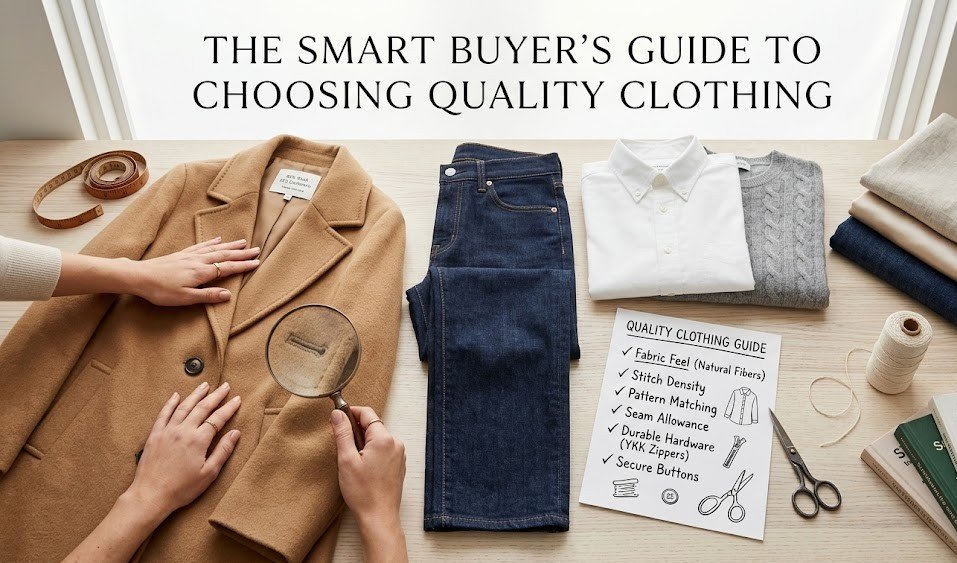
The zipper is usually the first part to fail. Look for a metal zipper or a thick, solid plastic one from a trusted maker such as YKK. Slide it up and down a few times. It should glide smoothly without catching, and the pull tab should feel firm in your fingers.
Check the strip of fabric behind the zipper too. A reinforced strip stops the zipper from tearing away from the cloth. A small flap behind the zip keeps the metal from touching your chin and neck, which is a comfort detail many people only notice after they buy.
Stitching and Durability
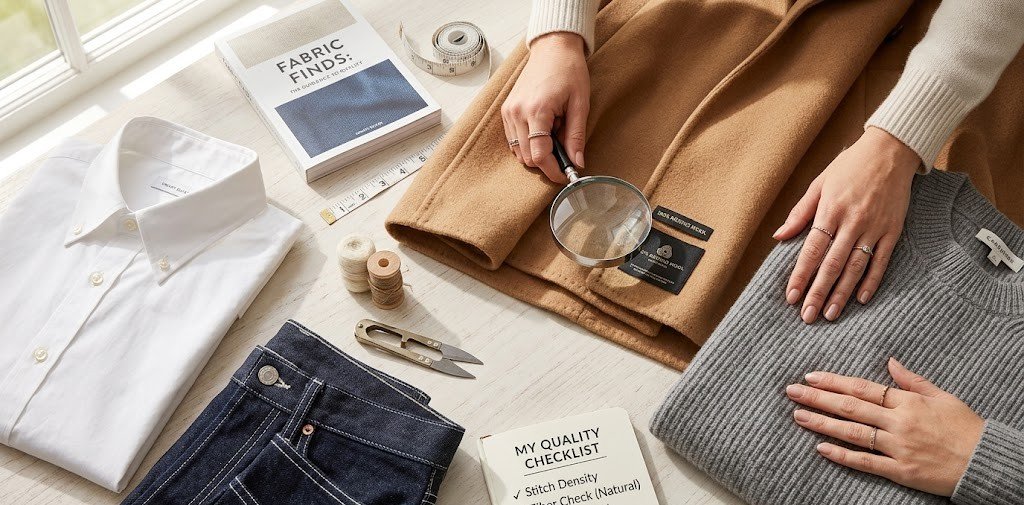
Turn the hoodie inside out if you can. Straight, tight seams with no loose threads are a good sign. Double stitching at the shoulders, underarms, and hem adds strength, and this matters even more on a drop shoulder design where the seams take extra strain.
Look closely at the cuffs and the bottom ribbing as well. Good ribbing springs back after you stretch it. Weak ribbing turns wavy and loose within a few weeks, and it can make a nice hoodie look old very fast.
Hood and Pocket Design
A good hood is double layered, so it keeps its shape and sits around your head instead of flopping backward. Check the drawcords and the holes they run through. Metal or reinforced eyelets last longer than plain stitched holes.
Pockets matter more than you might think. Deep pockets with reinforced corners will carry your phone, keys, and hands without sagging. An extra inside pocket is a nice bonus, especially for cards or earbuds.
How to Style It for Men and Women
An oversized hoodie is easy to wear, but a few simple choices make it look sharper.
Styling Ideas for Men
Pair your hoodie with straight leg pants or cargo pants and clean sneakers. Wear a plain tee underneath and leave the zip halfway open. Neutral colors such as black, grey, olive, and cream go with almost everything. In colder months, you can layer it under a long coat for a relaxed street style look.
Styling Ideas for Women
Try it with fitted leggings or straight jeans so the hoodie stays the focus. Biker shorts and chunky sneakers make an easy weekend outfit. For something different, wear it open over a simple dress or a tucked in tee. If the hem feels too long, a half zip with a small tuck at the front helps balance the shape.
How to Wash and Care for It
Wash your hoodie in cold water, inside out, with similar colors. Use a mild detergent and skip bleach and fabric softener, since both can break down fibers and reduce softness over time. Zip it all the way up before washing so the zipper teeth do not snag other clothes.
Hang it to dry or tumble dry on low heat. High heat shrinks cotton and damages prints. When you store it, fold it instead of hanging it on a thin hanger, because the weight of a heavy hoodie will stretch the shoulders.
Price vs Quality
A higher price does not always mean better quality, but a very low price usually means compromises. Cheap hoodies often use thin fabric, weak zippers, and loose stitching. You do not need a luxury label, though. A fair price from a brand that clearly lists the fabric content, GSM, and zipper type is usually a smart buy.
Think about cost per wear. A hoodie worn a hundred times at a moderate price is better value than a cheap one you throw away after one season.
Common Mistakes Buyers Make
The biggest mistake is sizing up too much. A hoodie that is far too large looks shapeless and can feel heavy on your shoulders. Another common problem is buying based on photos alone. Always read the fabric details and check customer reviews with real photos.
Many people also ignore the return policy. Fit is hard to judge online, so a brand that allows easy returns takes a lot of risk away. Finally, do not skip the care label. A hoodie that needs special washing will not stay in your regular rotation for long.
Frequently Asked Questions
How should an oversized zip up hoodie fit?
It should feel roomy through the chest and body, with shoulder seams that drop below your natural shoulder line. The sleeves should reach your wrists or the top of your hands, and the hem should sit around your hips.
Should I size up for an oversized hoodie?
If the hoodie is already cut oversized, stay with your normal size or go up by one. If it is a regular fit hoodie, going up one or two sizes gives you the baggy look. Always check the size chart first.
What GSM is best for a heavyweight hoodie?
Most heavyweight hoodies fall between 350 and 450 GSM. For everyday wear, 350 to 400 GSM gives you a good balance of warmth, comfort, and structure.
How do I stop my hoodie from shrinking?
Wash it in cold water and dry it on low heat or hang it to dry. Blends with some polyester also shrink less than pure cotton, so they are a safer choice if shrinking worries you.
Final Thoughts on Choosing an Oversized Zip Up Hoodie
The right oversized zip up hoodie comes down to a few simple checks. Look at the fabric weight, test the zipper, inspect the stitching, and pick a size that gives you room without losing shape. These small details are what separate a hoodie you wear for years from one you forget in a month.
Take your time, read the product details carefully, and choose the one that feels right for your daily routine. A little patience now means a hoodie you will keep reaching for.